
這是歷史版本頁面 — 看 PostgreSQL 最新版本
資料庫卡卡或鎖死?PostgreSQL 能解決什麼
 PostgreSQL 14.0
資料更新 2021-10-01
閱讀約 6 分鐘
你正在開發一個網站或應用程式,資料量從幾千筆成長到幾十萬筆,原本順暢的查詢開始變慢,甚至偶爾出現「資料庫被鎖住」的錯誤。你想找一個能撐住這種成長、又不會讓你在資料正確性上提心吊膽的資料庫,但市面上選項太多,不知道從哪裡下手。
一般人習慣先用 Excel 或輕量型資料庫(例如 SQLite)撐著,但資料一多、同時讀寫的人一多,這些方案就會開始出現效能瓶頸或鎖定問題。這類工具真正的切入點,是提供一套完整的「關聯式資料庫管理系統」:用結構化的表格存放資料、用 SQL 查詢、支援交易(Transaction)確保資料不會寫到一半出錯,並透過索引、分割區等機制讓查詢在資料量變大時仍然有辦法維持效能。
01PostgreSQL 這套軟體到底能做什麼?
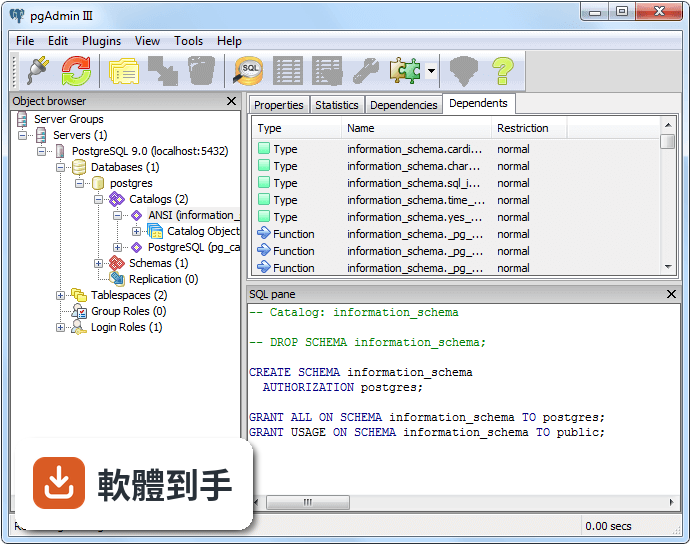
它是一套開放原始碼的關聯式資料庫管理系統,主要用途是存放、查詢、管理結構化資料。你可以用它建立多張有關聯的表格,用 SQL 語法做新增、讀取、更新、刪除,並設定主鍵、外鍵、唯一性限制等規則來確保資料正確。它也支援交易、並行控制、備份還原,適合當作網站、應用程式或內部系統的資料後端。
02它支援哪些資料型態?我只存文字和數字夠用嗎?
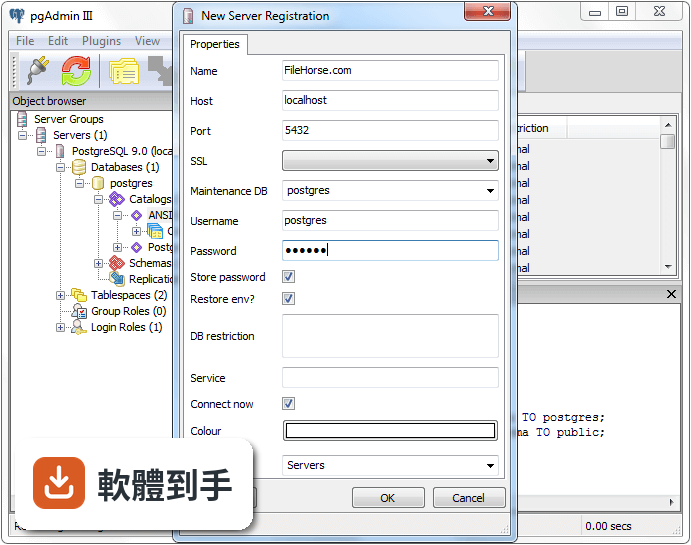
除了常見的整數、數值、字串、布林值,它還支援日期時間、陣列、範圍、UUID、JSON/JSONB、XML、鍵值對(Hstore),以及點、線、多邊形等幾何資料。如果你需要存圖片、聲音或影片這類大型二進位物件,它也有支援。所以不只是文字數字,半結構化資料或地理位置資料都可以放進來。
03資料量很大的時候,查詢會不會越來越慢?
它提供多種索引類型,包括 B-tree、多欄位索引、部分索引、GiST、GIN、BRIN 等,也支援表示式索引和覆蓋索引。查詢規劃器會嘗試找出有效率的執行計畫,並支援平行查詢、資料表分割區、JIT 編譯。不過索引要自己設計,不是裝好就自動變快,需要依照實際查詢模式來建立。
04多人同時讀寫,會不會互相卡住或鎖死?
它採用多版本並行控制(MVCC),讓讀取和寫入不會互相阻擋,也支援 SQL 標準定義的所有交易隔離等級,包括 Serializable。你可以設定明確鎖定或建議性鎖定(Advisory Locks)來控制特定情況的並行行為。但要注意,交易隔離等級和鎖定的設定會影響實際行為,需要依照應用情境調整。
05資料安全方面,它有沒有提供什麼保護機制?
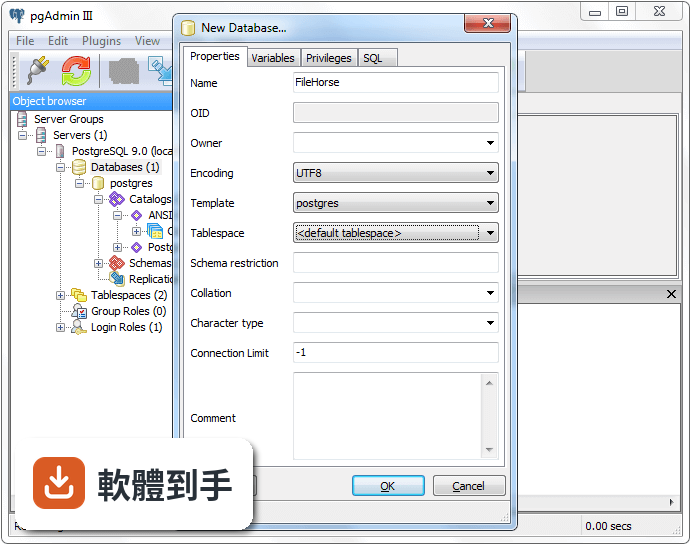
它支援多種身分驗證方式,包括 GSSAPI、SSPI、LDAP、SCRAM-SHA-256、憑證驗證等,也有細緻的存取控制系統,可以做到欄位層級和列層級的安全設定。另外有 Write-ahead Logging(WAL)來確保資料寫入的可靠性,並支援非同步、同步、邏輯複製,以及時間點復原(PITR)和主動備援。
06這套軟體適合什麼樣的人或團隊?
適合需要處理大量結構化資料、重視資料完整性和交易正確性的開發者或團隊。如果你在建置網站後端、內部管理系統、需要跑複雜查詢或報表,而且希望資料庫本身是開放原始碼、不用付授權費,那它會是一個可以考慮的選項。它也適合需要自訂資料型態或函式的人,因為擴充性很強。
07我只會用圖形介面操作,不會寫指令,這樣能用嗎?
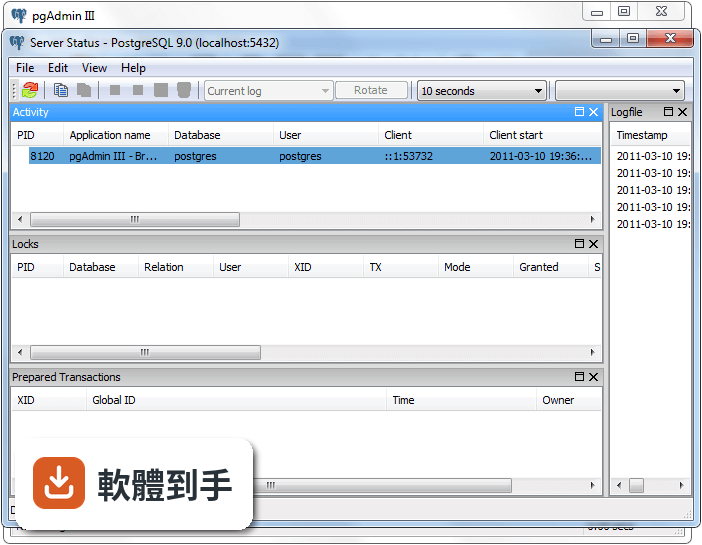
它安裝時會附帶 pgAdmin 圖形介面工具,可以用視覺化方式建立資料庫、執行 SQL 查詢、設定使用者權限、備份還原。但要注意,官方資料提到它「內建的 GUI 管理工具有限」,如果習慣用圖形介面做所有事情,可能會覺得某些進階操作還是得回到指令列。另外介面是英文的,沒有官方中文介面。
08我目前只是做個小專案,資料量不大,用它會不會太重?
它功能完整,但相對的也需要花時間學習和設定。如果只是幾百筆資料、單人使用、不需要複雜查詢,用 SQLite 這類輕量資料庫可能更簡單,不需要安裝伺服器、不需要管理使用者權限。不過如果你預期資料會持續成長,或之後要多人同時連線,提早用它可以省下日後搬移資料的麻煩。
09它的介面只有英文,我英文不好,會不會很難上手?
官方介面和文件都是英文,沒有內建中文語系。如果你英文閱讀有困難,操作上會比較吃力。不過它的文件寫得相當完整,社群也很大,網路上可以找到大量中文教學文章和討論。如果你完全無法閱讀英文,可能需要先評估自己能不能接受看英文文件,或考慮其他有中文介面的資料庫工具。
10我聽說它更新很頻繁,這樣會不會一直要升級、很麻煩?
它的版本更新確實算頻繁,近一年內有多次更新。升級時可能需要手動調整,官方資料也提到「升級可能需要手動調整」。如果你不習慣定期維護資料庫,或沒有專門的人負責這塊,頻繁的版本更新可能會造成額外負擔。但如果不更新,安全性漏洞和 bug 修復就無法取得。
11它跟 MySQL Workbench 或 SQLite 比起來,我該怎麼選?
這取決於你的需求。SQLite 是嵌入式資料庫,適合單機、小規模、不需要伺服器管理的場景;MySQL Workbench 是 MySQL 的圖形介面工具,本身不是資料庫。PostgreSQL 則是一套完整的資料庫伺服器,功能更全面,支援更多進階功能(如自訂型態、多種索引、豐富的資料型態)。如果你需要複雜查詢、高並行、資料完整性要求高,它會是比較完整的方案;如果只是簡單存取,SQLite 可能更輕量。
下載與官方連結
postgresql-14.0-1-windows-x64.exe · 連結指向軟體原廠
版本紀錄
- 2026-10-17 PostgreSQL 18.6 358 MB
- 2026-05-18 PostgreSQL 16.14 349 MB
- 2026-05-17 PostgreSQL 17.10 357 MB
再看 5 筆
- 2026-05-15 PostgreSQL 18.4 357 MB
- 2026-02-27 PostgreSQL 16.13 347 MB
- 2026-02-27 PostgreSQL 17.9 354 MB
- 2026-02-27 PostgreSQL 18.3 355 MB
- 2026-02-13 PostgreSQL 17.8 354 MB
這一版改了什麼
What's new in this version:
- PostgreSQL 14 brings a variety of features that help developers and administrators deploy their data-backed applications. PostgreSQL continues to add innovations on complex data types, including more convenient access for JSON and support for noncontiguous ranges of data. This latest release adds to PostgreSQL's trend on improving high performance and distributed data workloads, with advances in connection concurrency, high-write workloads, query parallelism and logical replication.
- "This latest release of PostgreSQL advances our users' ability to manage data workloads at scale, enhances observability, and contains new features that help application developers," said Magnus Hagander, a PostgreSQL Core Team member. "PostgreSQL 14 is a testament to the dedication of the global PostgreSQL community in addressing feedback and continuing to deliver innovative database software that is deployed by organizations large and small."
- PostgreSQL, an innovative data management system known for its reliability and robustness, benefits from over 25 years of open source development from a global developer community and has become the preferred open source relational database for organizations of all sizes.
JSON Conveniences and Multiranges:
- PostgreSQL has supported manipulating JSON data since the release of PostgreSQL 9.2, though retrieval of values used a unique syntax. PostgreSQL 14 now lets you access JSON data using subscripts, e.g. a query like SELECT ('{ "postgres": { "release": 14 }}'::jsonb)['postgres']['release']; now works. This aligns PostgreSQL with syntax that is commonly recognized for retrieving information from JSON data. The subscripting framework added to PostgreSQL 14 can be generally extended to other nested data structures, and is also applied to the hstore data type in this release.
- Range types, also first released in PostgreSQL 9.2, now have support for noncontiguous ranges through the introduction of the "multirange" data type. A multirange is an ordered list of ranges that are nonoverlapping, which lets developers write simpler queries for dealing with complex sequences of ranges. The range types native to PostgreSQL (dates, times, numbers) support multiranges, and other data types can be extended to use multirange support.
Performance Improvements for Heavy Workloads:
- PostgreSQL 14 provides a significant throughput boost on workloads that use many connections, with some benchmarks showing a 2x speedup. This release continues on the recent improvements to the management of B-tree indexes by reducing index bloat on tables with frequently updated indexes.
- PostgreSQL 14 introduces the ability to pipeline queries to a database, which can significantly improve performance over high latency connections or for workloads with many small write (INSERT/UPDATE/DELETE) operations. As this is a client-side feature, you can use pipeline mode with any modern PostgreSQL database with the version 14 client or a client driver built with version 14 of libpq.
Enhancements for Distributed Workloads:
- Distributed PostgreSQL databases stand to benefit from PostgreSQL 14. When using logical replication, PostgreSQL can now stream in-progress transactions to subscribers, with significant performance benefits for applying large transactions on subscribers. PostgreSQL 14 also adds several other performance enhancements to the logical decoding system that powers logical replication.
- Foreign data wrappers, which are used for working with federated workloads across PostgreSQL and other databases, can now leverage query parallelism in PostgreSQL 14. This release implements this ability in the postgres_fdw, the foreign data wrapper that interfaces with other PostgreSQL databases.
- In addition to supporting query parallelism, postgres_fdw can now bulk insert data on foreign tables and import table partitions with the IMPORT FOREIGN SCHEMA directive.
Administration and Observability:
- PostgreSQL 14 extends its performance gains to the vacuuming system, including optimizations for reducing overhead from B-Trees. This release also adds a vacuum "emergency mode" that is designed to prevent transaction ID wraparound. ANALYZE, used to collect database statistics, now runs significantly faster in PostgreSQL 14 due to its own performance improvements.
- Compression for PostgreSQL's TOAST system, which is used to store larger data like blocks of text or geometries, can now be configured. PostgreSQL 14 adds LZ4 compression for TOAST columns while retaining support for pglz compression.
- PostgreSQL 14 adds several new features to help with monitoring and observability, including the ability to track the progress of COPY commands, write-ahead-log (WAL) activity, and statistics on replication slots. Enabling compute_query_id lets you uniquely track a query through several PostgreSQL features, including pg_stat_activity, EXPLAIN VERBOSE, and more.
SQL Performance, Conformance, and Convenience:
- Query planning and execution benefit from enhancements in PostgreSQL 14. This release includes several improvements to PostgreSQL's query parallelism support, including better performance of parallel sequential scans, the ability for PL/pgSQL to execute parallel queries when using the RETURN QUERY command, and enabling REFRESH MATERIALIZED VIEW to execute parallel queries. Additionally, queries that use nested loop joins may see performance benefits through additional caching that is added in PostgreSQL 14.
- Extended statistics can now be used in PostgreSQL 14 for expressions. Additionally, window functions can now benefit from incremental sorts, a feature introduced in PostgreSQL 13.
- Stored procedures, which allow for transaction control in a block of code, can now return data by using OUT parameters.
- PostgreSQL 14 introduces the ability to "bin", or align, timestamps to a particular interval using the date_bin function. This release also adds the SQL conforming SEARCH and CYCLE clauses to help with ordering and cycle detection for recursive common table expressions.
Security Enhancements:
- PostgreSQL 14 makes it convenient to assign read-only and write-only privileges to users on tables, views, and schemas using the pg_read_all_data and pg_write_all_data predefined roles
- Additionally, this release now makes the standards-compliant SCRAM-SHA-256 password management and authentication system the default on new PostgreSQL instances